Back to HomeCase Examples

Project Experience

Custom component work often starts with a sample, a drawing or an application requirement. The examples below show how PLDS has supported engineering review, quotation and coordinated production for overseas business customers.

From a Physical Sample to Repeat Orders

The project

We carried out this project for a customer in Canada. It started from a physical part rather than a set of drawings: the customer provided a sample of the roller component to be manufactured, and we took that sample as the reference for the engineering work that followed.

From sample to drawings and tooling

We took the sample apart, measured each of its parts and turned those measurements into CAD drawings for the individual components, so that a physical part became a documented reference the rest of the project could build on. Our long-term tooling partner worked alongside us at this stage, taking part in the measurements and manufacturing the tooling from this groundwork.

Production and repeat orders

We then organized production on the basis of those drawings and that tooling, so the work did not stop at a set of drawings. When the customer later placed repeat orders, we supplied those as well, taking the project from a single physical sample through to follow-on supply.

Small white component photographed on a green surface
A component from this project.
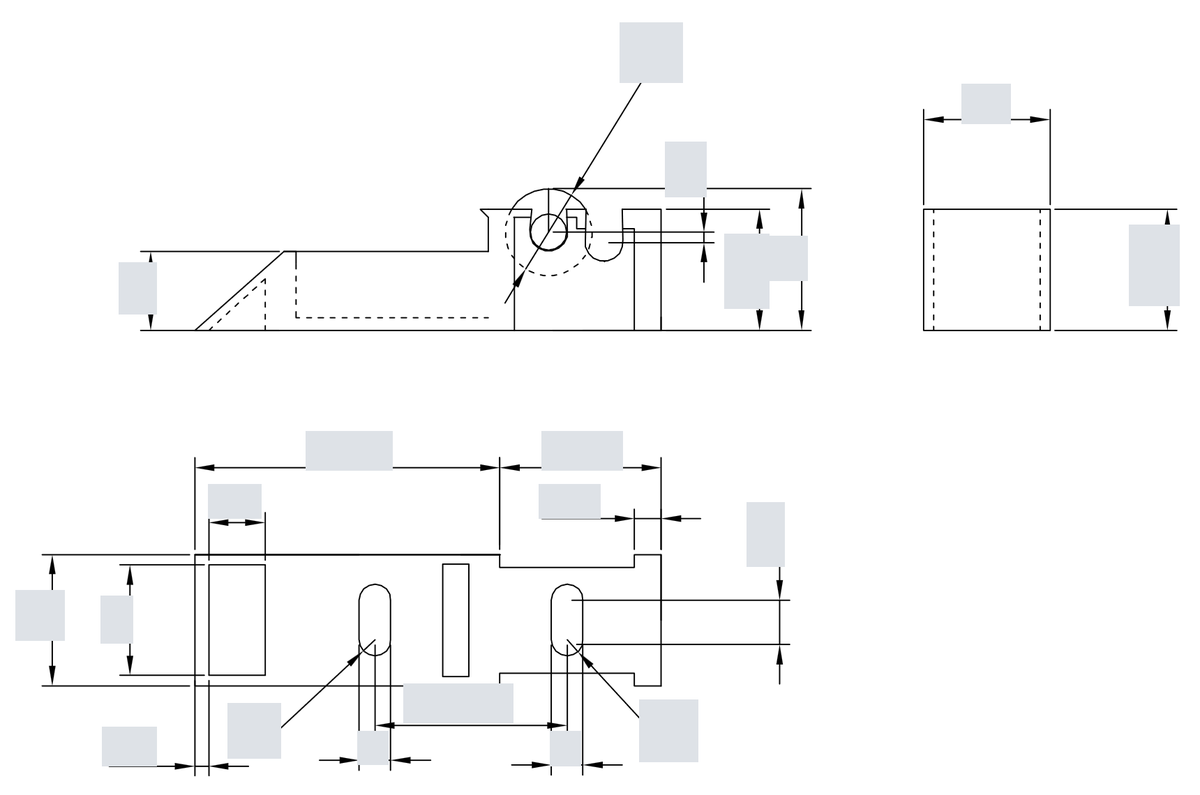
CAD drawing excerpt showing three orthographic views of the component, with dimension values covered
Excerpt from the CAD drawing PLDS prepared for this component. Dimension values are covered and the title block is cropped out for confidentiality.

Long-Term Product Development for a Netherlands-Based Supplier

We have worked with a Netherlands-based component supplier since 2002, supplying parts that the customer in turn supplies to other customers across Europe. Over more than two decades, this relationship has grown to cover many different products, each one developed the same way: the customer brings us a drawing and an estimated quantity, and we take it from there.

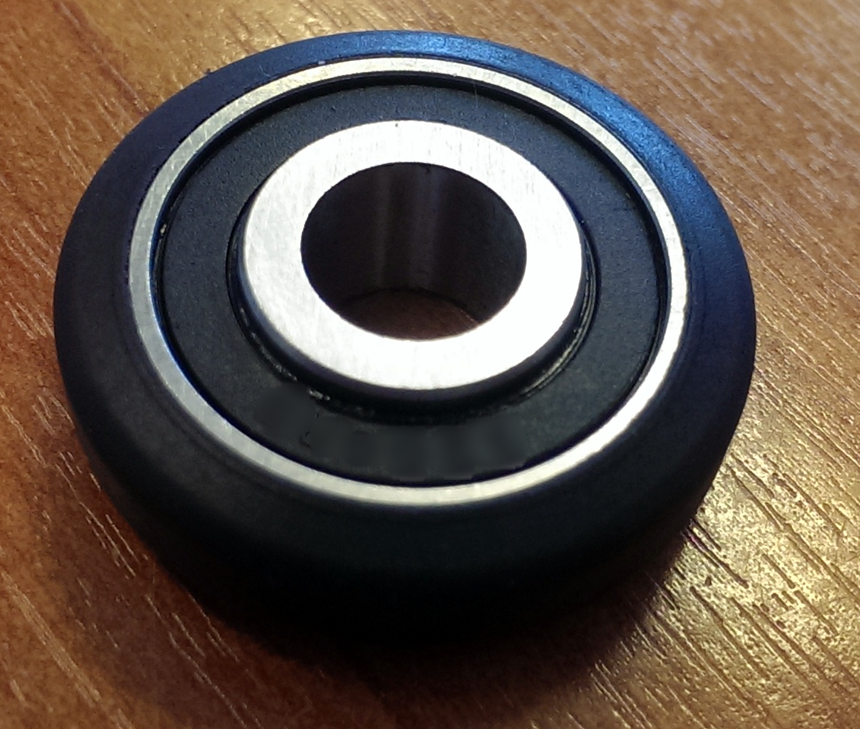
One product from this relationship is a door roller: a wheel built around a sealed ball bearing. For this part, the customer sent us the engineering drawing together with a reference photo and the quantities they were expecting to order, and we used that information to work out a quotation.

As with the rest of this relationship, price came first: once we had agreed a unit price with the customer, we moved on to discussing tooling costs and the practical arrangements for getting tooling made, so the part could move toward production.

The door roller is just one product among the many we have developed for this customer since 2002. That same pattern — a drawing and an estimated quantity leading to a quotation, agreement on price, and then tooling — is how the relationship has moved from one product to the next, and it continues today.

Black plastic roller wheel with an integrated sealed ball bearing, photographed on a wood surface
A roller from this project.

Coordinating the Parts Behind a Curtain-Side Roller Assembly

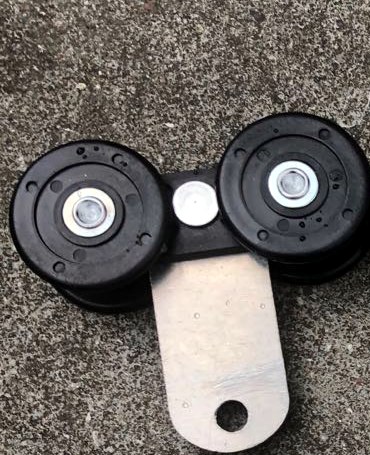
We supply a long-term customer in South Africa with roller-related components for truck and trailer curtain-side systems, the sliding-curtain arrangement that runs along a track on the side of a trailer. One roller assembly we supply for this system is made up of several different kinds of parts, and our role is to coordinate how they are produced and brought together.

One example is a roller assembly built around a metal connecting plate. Together with the plate, it is made up of four wheels, a wheel carrier, and bushings and shaft parts that let the wheels turn; the plate itself is cut to shape from sheet metal, with fasteners joining it to the rest of the assembly.

The wheels are molded plastic parts, produced by injection molding, and the connecting plate is a cut metal part; bushings, shafts and fasteners bring the two together. Different parts in this assembly come from different manufacturing processes, and turning them into one finished roller assembly means arranging plastic parts, metal parts and fasteners so they arrive matched and ready to go together.

This kind of coordination is a recurring part of our work for this customer: rather than a single component, we organize the production and supply of the plastic, metal and fastener parts that make up their curtain-side roller assemblies, bringing different production routes together into one finished product.

A roller assembly with black wheel ends, a wheel carrier, and a metal connecting plate with a mounting hole, photographed on a concrete surface
A roller assembly of this kind, showing the wheels and the connecting plate.

Shower Enclosure Components: Initial Supply and Further Development Review

A customer was preparing to produce its first batch of shower enclosures. Each enclosure would be made up from glass, profiles and other fittings, and the wheels it needed would have to go together with those parts.

One of those wheels came from us. We made a mould for it, the customer placed an opening order for the first batch, and we produced the wheels and shipped them by sea through the forwarder the customer nominated, following through on the invoice, packing list and bill of lading.

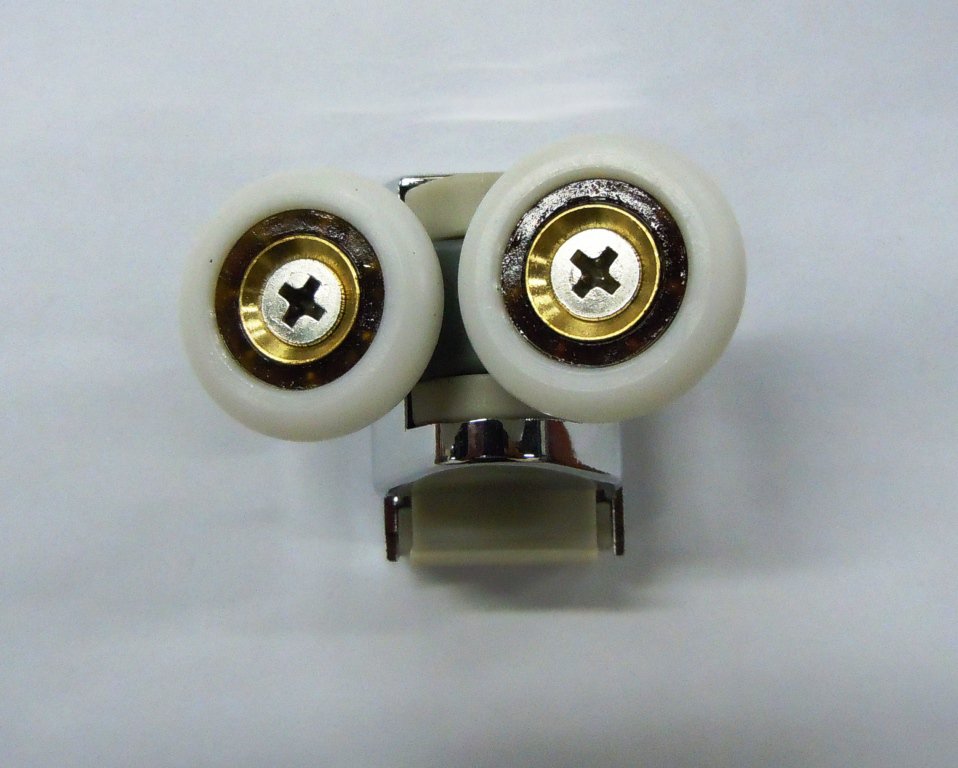
The customer then came to us with four further parts: two other wheels and two bottom sliders for its shower enclosures. It sent photographs, followed by physical samples, and asked whether we already made the same or similar parts, and if not, what tooling and production would cost.

We received the samples and checked them against our existing range. We had no matching wheels or sliders, so developing them would have meant new moulds. Before quoting for tooling, we asked for the customer's target prices, so that the mould investment could be weighed against the unit prices it needed and the quantities it expected to order. The customer then shared its target prices and expected order pattern and asked us to cost the moulds and estimate a price for each of the four parts.

Two wheels side by side, each with a metal centre, with a supporting part below them, on a light background
Customer-supplied shower enclosure roller assembly submitted for development review.

Have a Sample or Drawing to Review?

Share a drawing or physical sample with our team. We can first review the engineering requirements and discuss a suitable route for development and production.

Open Inquiry Form

Or email us directly, including any drawings or photos:

sales@pld-hardware.com